
World Congress Against CSEC Impact on Global Child Protection Policies
The World Congress against Commercial Sexual Exploitation of Children fundamentally reshaped international approaches to child protection through landmark gatherings in Stockholm (1996) and Yokohama (2001). These congresses established binding frameworks requiring signatory nations to implement comprehensive domestic legislation and enforcement mechanisms. The policy impact extended far beyond immediate participants, influencing subsequent international human rights instruments and creating templates for multi-stakeholder collaboration addressing complex global challenges. Decades later, these frameworks continue informing contemporary child protection strategies worldwide.
Legislative Transformation Following Stockholm and Yokohama
The World Congress against CSEC catalyzed unprecedented legislative activity globally. Within five years of Stockholm, over 90 countries enacted or strengthened laws specifically addressing commercial sexual exploitation of children. The Yokohama congress accelerated this momentum, prompting additional nations to harmonize legislation with international standards. Key legal innovations included extraterritorial jurisdiction enabling prosecution of nationals committing offenses abroad, mandatory reporting requirements for suspected exploitation, and enhanced penalties reflecting crime severity. These legal frameworks established prosecution foundations that remain operative today.
- Extraterritorial prosecution provisions closed legal loopholes previously protecting perpetrators traveling internationally
- Victim protection statutes shifted legal treatment from criminalizing exploited children to recognizing them as victims requiring services
- Internet-specific legislation addressed emerging technological exploitation methods not covered by traditional child protection laws
- International cooperation agreements facilitated cross-border investigations and evidence sharing between jurisdictions
- Asset forfeiture provisions targeted financial infrastructure supporting commercial exploitation networks
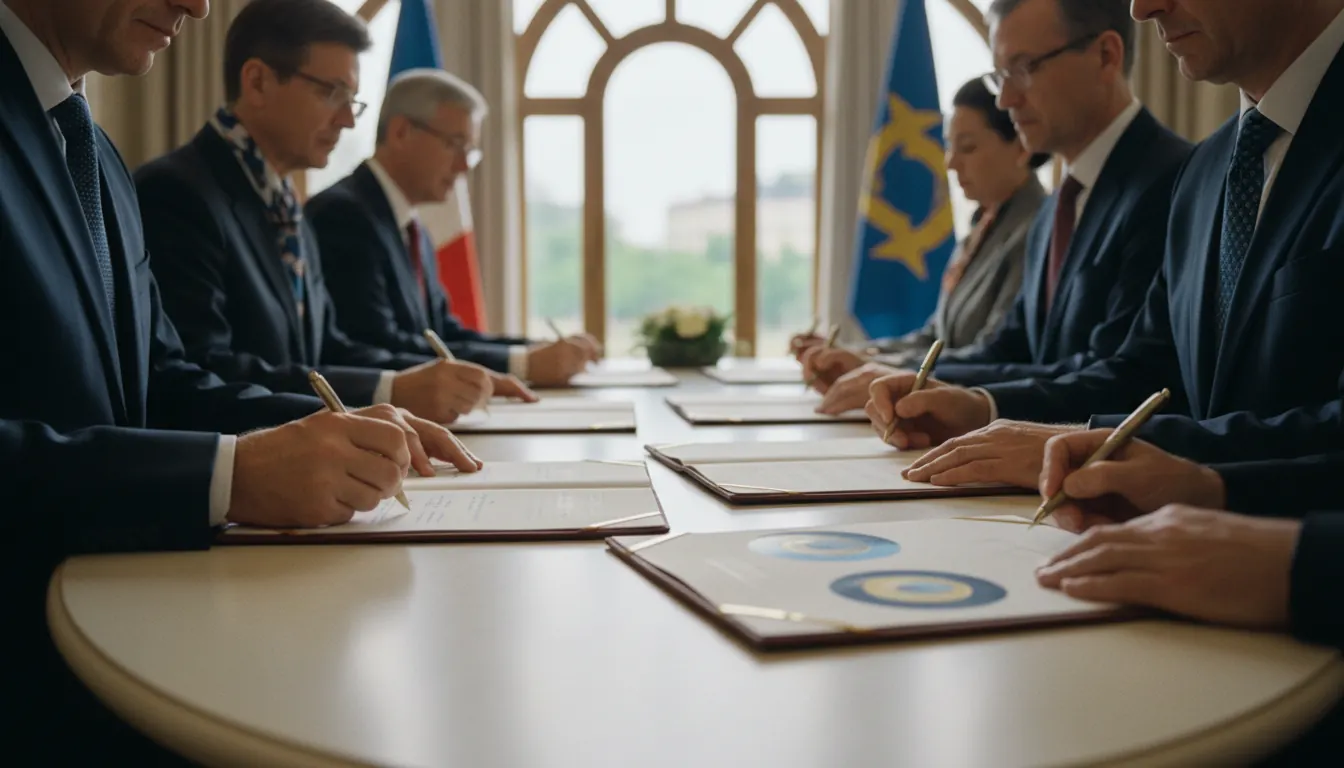
Policy Framework Evolution Across Regions
The World Congress influence manifested differently across global regions based on existing legal infrastructure and cultural contexts:
| Region | Primary Policy Impact | Implementation Timeline |
|---|---|---|
| Europe | Harmonized prosecution standards | 1997-2003 |
| Asia-Pacific | Tourism-related exploitation laws | 1998-2005 |
| Americas | Cross-border cooperation protocols | 1997-2004 |
| Africa | Victim support service frameworks | 2000-2008 |
"The Stockholm Declaration represented the first time nations collectively acknowledged commercial sexual exploitation as a human rights violation requiring coordinated international response rather than isolated national efforts."
Contemporary Policy Legacy
Modern child protection policies continue reflecting World Congress principles. The 2030 Sustainable Development Goals incorporate targets directly traceable to commitments made in Stockholm and Yokohama. Regional instruments like the European Union Directive on combating sexual abuse reference congress frameworks explicitly. National action plans worldwide structure efforts around multi-stakeholder coordination models pioneered through these gatherings. The csecworldcongress methodology demonstrates how international consensus-building creates enduring policy architectures transcending individual initiatives.